凯文·凯利的 AI 预测,十年后哪些成了现实?
他预见了通用云端智能,却低估了单个模型能容纳多少种能力。重读五项预测,理解智能如何融进产品,以及廉价问答如何进入日常。
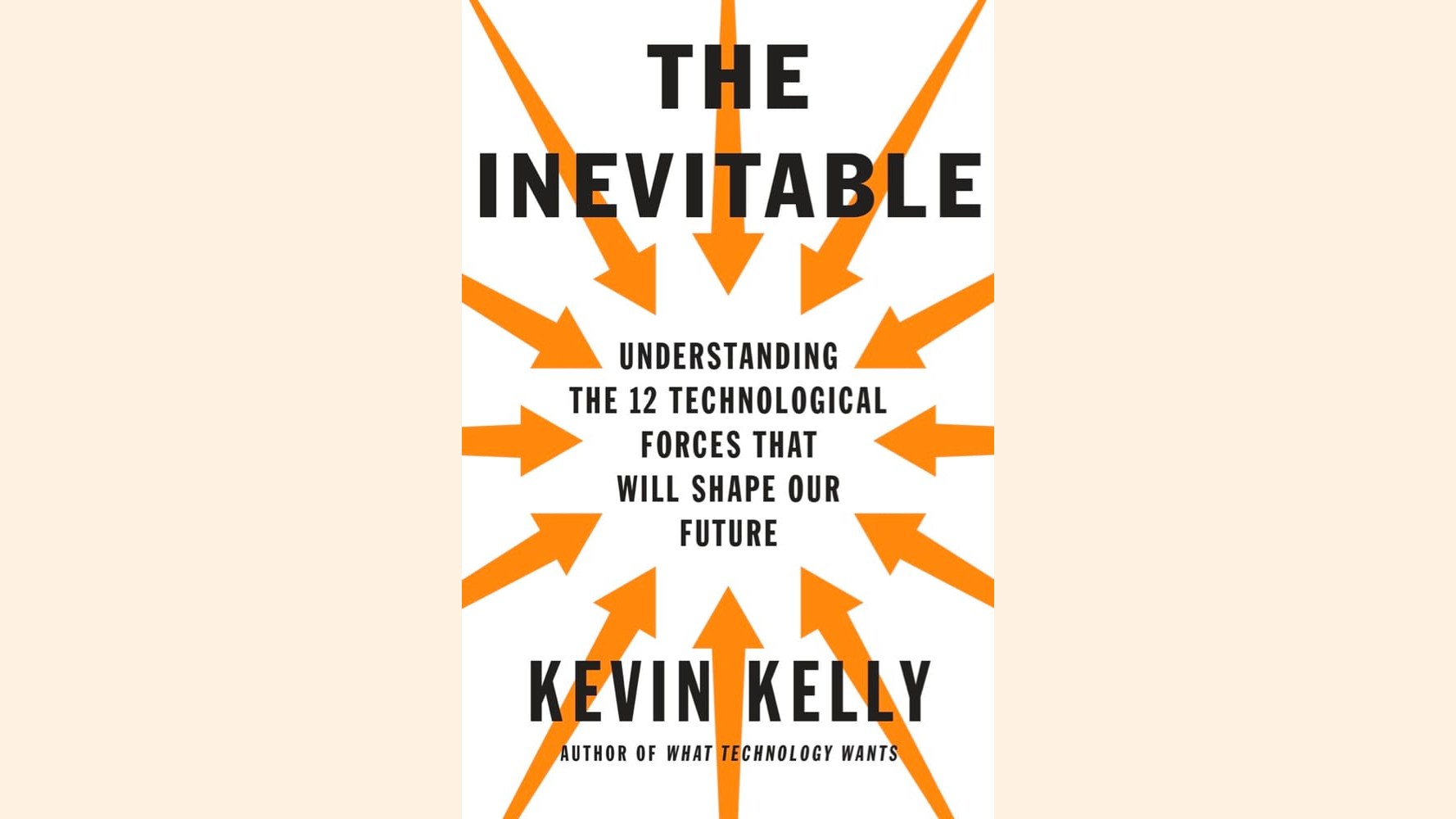
2016 年,凯文·凯利在《必然》(The Inevitable)中描绘了一种 AI 生活:智能在云端运行,像水电一样随取随用,人们每天向它提出数百个问题。
十年后,云端智能已经走进产品,同一个模型也能理解图像、编写代码、分析问题。凯利看准了智能的供给方式,却低估了单个模型的能力范围。taylor.town 摘出了书中的五组预测,重读它们,可以看清这十年的变化。
五项预测里的变化
从搜索入口,到云端供给,再到随时提问的日常助手。
Google 用搜索帮助 AI 进步,最终让 AI 成为主要产品。
搜索是生意和用户入口,AI 成为支撑产品的共同能力。
用户与能力相互推动,形成两三家大型云端商业智能。
应用可以很多,底层资源与分发渠道可以集中。
智能在后台运行,像云服务一样按需获取。
先试较轻量的模型
按需要选择更强的模型
用实际任务检查结果,再取舍成本和速度。
云端提供通用智能,具体工作大多由能力很窄的专用程序承担。
配置成翻译助手
配置成编程助手
应用专注一件事,背后可以共用能力更宽的模型。
答案足够便宜,人们每天就可能问数百个与自己和朋友有关的问题。
从已有知识中解释光的散射。
实时信息:公交何时到,需要站点、线路和当前运行数据。
个人情境:朋友在哪里,需要对方授权分享的位置。
从偶尔查资料,走向随时弄清生活中的一件事。
搜索怎样成为 AI 进步的入口?
凯利预测,到 2026 年,Google 的主要产品会是 AI。这个判断来自一次与联合创始人拉里·佩奇的交谈。2002 年左右,他问佩奇:免费提供网页搜索,究竟要做成什么生意?佩奇回答:“我们其实是在做 AI。”
凯利由此把搜索与 AI 的关系倒过来看:搜索除了使用 AI,也能帮助 AI 学习。用户搜索“复活节兔子”,再选中最像兔子的图片,就留下了“这张图更符合这个词”的反馈。大量这样的选择,为改进图片识别和结果排序提供了线索。在他的设想中,搜索积累的反馈与算法、算力一起增长,最终让 AI 成为 Google 的主要产品。
今天,这两者已经融在一起。Google 把 AI 能力加进搜索,AI 功能又带来更多查询。搜索的生意仍然很大:Alphabet 2026 年第二季度财报中,“搜索及其他”贡献了 52.8% 的收入。
因此,这项预测更适合用来理解 Google 怎样发展智能:搜索既是赚钱的产品,也是接触用户问题、获得反馈的入口;AI 则逐渐成为支撑多种产品的共同能力。
智能会集中在两三家公司吗?
凯利预想了一条不断放大的循环:更多人使用 AI,带来更多可用反馈;反馈帮助改善能力,更好的能力再吸引更多人。他认为,先进入这个循环的公司会迅速拉开差距,最终形成两三家大型云端商业智能。
今天,智能产业已经分成几层:基础模型提供能力,云平台负责托管和接入,应用把能力用到具体工作中。例如,Amazon Bedrock让开发者在同一个云平台上调用不同公司的模型,再据此制作自己的产品。
这样的结构允许两种景象同时出现:用户面前有很多助手和工具,底层的模型研发与算力却依赖少数大型机构。要看智能是否集中,关键是看哪一层掌握资源与分发渠道。
凯利也希望智能成为免费的公共资源,像早期互联网一样滋养商业与科学。这里有两种扩大使用的方式:免费服务降低使用门槛,开放模型权重让开发者可以按许可自行部署。前者让更多人用得起,后者让更多人有机会改造和掌控自己的系统。
AI 怎样藏进产品、按需提供能力?
凯利设想的日常 AI,像 AWS 云服务:在产品背后运行,平时几乎不可见,只有停止工作时才让人察觉。用户接入这张“智能电网”,就能取得当前任务所需的能力。
这种形态已经很常见。软件可以在后台用 AI 分类文本、提取字段、分派任务,用户只需要完成手头的工作。开发者通过 Bedrock 等托管服务调用模型,省去了自行部署模型的负担。
“只取需要的智力”也意味着按任务选能力:从一封邮件里提取姓名和日期,可以先用较轻量的模型;比较多份材料、分析复杂问题,再选更强的模型。选型时,用实际任务检查结果是否合格,再决定成本和响应速度怎样取舍。
这项预测的价值在于,它把注意力从 AI 的外形转向了供给方式:智能可以融进既有产品,成为人们做事时随手可用的一部分。
他低估了同一个模型能做多少种事
凯利同时预测,未来十年,人们直接或间接接触的 AI 中,99% 会是能力很窄的专家:翻译工具能翻译却做不了别的,驾驶程序能开车却无法交谈。
今天的变化发生在这些应用背后。同一个基础模型可以读图、写代码、分析问题;加上专业资料、提示词和工具,它又能服务于不同的具体工作。翻译助手和编程助手仍然有各自的职责,却可以共用一个能力更宽的模型。
为什么会出现这条路线?里奇·萨顿在《苦涩的教训》中回顾棋类、语音和视觉研究:把人的专业经验写成规则,常能迅速改善某项任务;让系统通过搜索和学习利用更多计算资源,则能随着算力增长继续进步。后一种方法给能力的扩展留下了更大空间。
2017 年提出的 Transformer让模型训练更容易并行。Gemini 2.5则展示了这种扩展的结果:同一套模型能处理文本、图像、音频和代码,也能进行推理、编写程序。
Google DeepMind 演示,生成片段经过加速。原始视频
凯利已经想到了通用的云端智能,但他设想的具体工作更多由独立、专用的程序承担。十年间最显著的变化,是多种能力汇入同一个基座,再由不同应用把它们用到各自的任务中。
从查知识到问生活,AI 还需要什么?
凯利描绘的问答服务有三个特点:用日常语言提问,问题含糊时通过对话问清楚,有答案时解释知识,也逐渐学会表达哪些事情仍然未知。
他更看重的是提问成本降低之后的生活变化。当每个答案便宜到几乎可以忽略,人们就可能每天问数百个问题,而且大部分围绕自己和朋友:“珍妮在哪?”“下一班公交什么时候到?”“这种零食好不好?”
这些问题很小,却贯穿一天。搜索从偶尔查一份资料,变成随时替自己弄清一件事。
要接住它们,助手需要知道不同问题该到哪里找答案:
- “天空为什么是蓝的?”可以从已有知识中解释。
- “下一班公交什么时候到?”需要所在站点、线路和当前运行数据。
- “朋友现在在哪里?”需要对方授权分享的位置。
同样一句“这种零食好不好”,也可能是在问口味,或问是否适合自己的饮食要求。先问清楚,才知道该找什么资料、怎样回答。
自然语言提问已经成为现实;回答仍可能出现事实错误或虚构内容。从会聊天走向好用的日常助手,还要把对话与具体资料连起来:问清问题,取得相关信息,解释答案;信息缺失时说明缺在哪里。
十年后,更该看清哪件事?
凯利看准了智能会怎样进入生活:通过云端供给,藏在产品背后,降低每次使用的门槛。他低估的则是能力会怎样组合——一个模型可以承担多种任务,再支撑许多专用应用。
这也改变了做产品的起点。开发者可以从已有模型取得能力,把更多精力放在具体任务、相关资料和使用体验上。对使用者来说,值得关注的是:这份智能能否在自己正在做的事情里,提供合用的帮助。
原文要点 · 中文译述
taylor.town 从《必然》中选出五组书摘,回看凯利对 AI 的设想。以下为要点译述。
一、搜索推动 AI 进步 凯利认为,搜索中的提问与选择能帮助智能学习。算法、数据和算力继续增长,AI 将成为 Google 的主要产品。
二、云端智能可能集中 更多用户带来更好的能力,更好的能力吸引更多用户,领先者可能形成两三家寡头。他同时希望廉价、免费的智能像公共互联网一样支持商业与科学。
三、智能成为后台服务 AI 将像 AWS 一样,在产品背后提供工业级能力,用户按需要取用。
四、多数工作由专用程序承担 凯利预计,人们接触的 AI 大多仍是翻译、驾驶等狭窄专家。博客作者借《苦涩的教训》回看这一判断。
五、随时用日常语言提问 云端系统可以解释已有答案,通过对话澄清问题,并逐渐表达已知与未知。答案成本大幅下降后,人们可能每天问数百个与自己和朋友有关的小问题,问答成为普遍的生活服务。
凯文·凯利的 AI 预测,十年后哪些成了现实?
2016 年,凯文·凯利设想智能会像水电一样随取随用,人们每天向它提出数百个问题。十年后,云端 AI 已走进产品,多种能力也汇入同一个模型。
01 · 搜索既是产品,也是学习入口
凯利认为,用户提问和选择结果,可以留下帮助 AI 学习的反馈。今天,AI 融进搜索,搜索仍是大生意。
52.8%:Alphabet 2026 年第二季度收入来自“搜索及其他”。搜索连接用户问题,AI 成为支撑多种产品的共同能力。
02 · 很多应用,底层仍可能集中
凯利预计,用户与能力相互促进,最终形成两三家云端智能。今天判断集中程度,要看产业的哪一层。
免费服务降低使用门槛;开放权重让开发者按许可自行部署和改造。
03 · 智能藏进产品,按任务取用
后台分类邮件、提取字段、分派任务,正是凯利设想的“智能电网”。开发者通过云服务调用模型:简单任务先试轻量模型,复杂任务再选更强的能力,用实际结果决定成本与速度的取舍。
04 · 多种任务,共用一个能力更宽的基座
凯利预计,人们直接或间接接触的 AI 中,99% 会是狭窄专家。今天,专用应用可以共用同一个基础模型。
2016 年的设想
今天的组合方式
《苦涩的教训》解释了能力扩展的一条路线:通用搜索和学习,能继续利用增长的算力。Transformer 让训练更容易并行,Gemini 2.5 展示了同一套模型的多种能力。
05 · 随手问生活,需要相应的资料
答案便宜之后,小问题也值得随时一问。助手要先问清意思,再找到问题所需的信息。
信息缺失时说明缺在哪里,才能从顺畅对话走向好用的日常助手。
做产品的新起点:从已有模型取得能力,把精力放在具体任务、相关资料和使用体验上。
Kevin Kelly's 2016 AI Predictions, 10 Years Later
Kevin Kelly's The Inevitable articulates a handful of macro technological trends and follows them to their logical conclusions. It's an insightful read -- I highly recommend it.
One decade later, here are some AI-related excerpts from the book:
- "By 2026, Google’s main product will not be search but AI."
- "oligarchy of two or three large, general-purpose cloud-based commercial intelligences"
- "The AI on the horizon looks more like Amazon Web Services"
- "The bulk of AI will be special purpose software brains"
- "in conversational tones, any question at all"
"By 2026, Google’s main product will not be search but AI."
Around 2002 I attended a private party for Google—before its IPO, when it was a small company focused only on search. I struck up a conversation with Larry Page, Google’s brilliant cofounder. “Larry, I still don’t get it. There are so many search companies. Web search, for free? Where does that get you?” My unimaginative blindness is solid evidence that predicting is hard, especially about the future, but in my defense this was before Google had ramped up its ad auction scheme to generate real income, long before YouTube or any other major acquisitions. I was not the only avid user of its search site who thought it would not last long. But Page’s reply has always stuck with me: “Oh, we’re really making an AI.”
I’ve thought a lot about that conversation over the past few years as Google has bought 13 other AI and robotics companies in addition to DeepMind. At first glance, you might think that Google is beefing up its AI portfolio to improve its search capabilities, since search constitutes 80 percent of its revenue. But I think that’s backward. Rather than use AI to make its search better, Google is using search to make its AI better. Every time you type a query, click on a search-generated link, or create a link on the web, you are training the Google AI. When you type “Easter Bunny” into the image search bar and then click on the most Easter Bunny–looking image, you are teaching the AI what an Easter Bunny looks like. Each of the 3 billion queries that Google conducts each day tutors the deep-learning AI over and over again. With another 10 years of steady improvements to its AI algorithms, plus a thousandfold more data and a hundred times more computing resources, Google will have an unrivaled AI. In a quarterly earnings conference call in the fall of 2015, Google CEO Sundar Pichai stated that AI was going to be “a core transformative way by which we are rethinking everything we are doing. . . . We are applying it across all our products, be it search, be it YouTube and Play, etc.” My prediction: By 2026, Google’s main product will not be search but AI.
In 2017, Google researchers published Attention Is All You Need, which introduced a deep-learning architecture called the transformer.
"oligarchy of two or three large, general-purpose cloud-based commercial intelligences"
As it does, this cloud-based AI will become an increasingly ingrained part of our everyday life. But it will come at a price. Cloud computing empowers the law of increasing returns, sometimes called the network effect, which holds that the value of a network increases much faster as it grows bigger. The bigger the network, the more attractive it is to new users, which makes it even bigger and thus more attractive, and so on. A cloud that serves AI will obey the same law. The more people who use an AI, the smarter it gets. The smarter it gets, the more people who use it. The more people who use it, the smarter it gets. And so on. Once a company enters this virtuous cycle, it tends to grow so big so fast that it overwhelms any upstart competitors. As a result, our AI future is likely to be ruled by an oligarchy of two or three large, general-purpose cloud-based commercial intelligences.
Kelly predicted AI heavyweights while advocating for a future of open weights:
Ideally, this additional intelligence should be not just cheap, but free. A free AI, like the free commons of the web, would feed commerce and science like no other force we can imagine and would pay for itself in no time.
"The AI on the horizon looks more like Amazon Web Services"
Amid all this activity, a picture of our AI future is coming into view, and it is not the HAL 9000—a discrete machine animated by a charismatic (yet potentially homicidal) humanlike consciousness—or a Singularitan rapture of superintelligence. The AI on the horizon looks more like Amazon Web Services—cheap, reliable, industrial-grade digital smartness running behind everything, and almost invisible except when it blinks off. This common utility will serve you as much IQ as you want but no more than you need. You’ll simply plug into the grid and get AI as if it was electricity.
"The bulk of AI will be special purpose software brains"
Not even Kelly foresaw the bitter lesson:
Yet most of the commercial work completed by AI will be done by nonhuman-like programs. The bulk of AI will be special purpose software brains that can, for example, translate any language into any other language, but do little else. Drive a car, but not converse. Or recall every pixel of every video on YouTube, but not anticipate your work routines. In the next 10 years, 99 percent of the artificial intelligence that you will interact with, directly or indirectly, will be nerdly narrow, supersmart specialists.
"in conversational tones, any question at all"
Very soon now we’ll live in a world where we can ask the cloud, in conversational tones, any question at all. And if that question has a known answer, the machine will explain it to us. Who won the Rookie of the Year Award in 1974? Why is the sky blue? Will the universe keep expanding forever? Over time the cloud, or Cloud, the machine, or AI, will learn to articulate what is known and not known. At first it may need to engage us in a dialog to clarify ambiguities (as we humans do when answering questions), but, unlike us, the answer machine will not hesitate to provide deep, obscure, complex factual knowledge on any subject—if it exists.
…
As we cognify more books and movies and the internet of things, answers become ubiquitous. We are headed to a future where we will ask several hundred questions per day. Most of these questions will concern us and our friends. “Where is Jenny? What time is the next bus? Is this kind of snack good?” The “manufacturing costs” of each answer will be nanocents. Search, as in “give me an answer,” will no longer be considered a first-world luxury. It will become an essential universal commodity.