OpenAI 年化收入增长近八成,市场为何失望?AI 改变麦肯锡招聘,更关注艺术、历史、音乐人才
一边是高速增长仍低于先前预期,一边是 AI 推动招聘更看重创造力与学习能力;这期 DealBook 还涉及星巴克并购、房贷、税收与卫星通信。
这期《纽约时报》DealBook 是一份综合财经简报:既讨论 AI 公司和资本市场,也关注企业并购、家庭开支、卫星通信,以及 AI 如何改变工作和招聘。
先看这期值得关注的六个要点:
- OpenAI 年化收入增长近八成,为什么市场仍失望? 最新披露数字低于此前流传的水平,英伟达、甲骨文、微软等相关股票下跌。
- AI 改变了麦肯锡的招聘标准。 公司扩大对艺术、历史、音乐背景候选人的考察,更看重新颖创造力,也更重视学习新问题和与人合作的能力。
- 星巴克为什么想买 Chipotle? 收购传闻推高了目标公司的股价,却让买方股东担心交易代价。
- 借钱更贵,生活成本会怎样变化? 财政赤字、7.4% 的房贷利率和油价上涨,分别牵动政府、购房者与企业。
- SpaceX 为什么花巨资买频谱? 卫星直接连接手机,正在为电信业务带来新的机会和竞争。
- 巨额奖金和播客合同在购买什么价值? 高盛的股权激励与 Spotify 的头部节目续约,展示了两种资金分配方式。
增长近八成,为什么还会让市场失望?
先把年化收入(Annualized Revenue / Run-Rate)这个指标讲清楚。
年化收入把近期的收入速度换算成全年规模。常见示例是最近一个月的收入乘以 12;它回答“照这个速度做一年,大约有多大”,而实际年度收入回答“这一年已经实现了多少”。
营业收入与现金到账也有区别:服务收入通常随履约确认,客户付款的时间可能更早或更晚。年化指标和实际年度收入都不是扣除成本后的利润。
DealBook 披露的 OpenAI 发言人口径数据显示:
- 上季末,OpenAI 的年化收入约为 280 亿美元;
- 本季末,这一指标上升至约 500 亿美元。
计算两个季末水平的变化:(500 - 280) / 280 ≈ +78.6%,也就是接近 79%。
这次数字修正后,英伟达、甲骨文和微软的股票下跌。
既然年化收入水平比上季末增长接近八成,相关股票为何仍然下跌?
要分开看两件事:与上季相比的增长,以及与此前报道口径相比的差额。
OpenAI 发言人向 DealBook 表示,此前给投资者的 700 亿美元 年化收入数字不准确。若以此前报道的 700 亿美元为基准,对照本季末的 500 亿美元:(500 - 700) / 700 ≈ -28.6%。500 亿比此前报道的 700 亿低约 29%;这不是过去一个季度的收入下降了 29%。
简报指出,AI 公司快速上升的估值依赖不断提高的收入预测。股价反映的也包括投资者对未来的期待。如果先前期待的收入规模更大,新的数字就可能让他们重新估算公司未来的收入和回报。因此,业务增长与股价下跌可以同时发生。
投资者也在寻找独立估算收入的办法。简报提到,Sensor Tower 和 Ramp 等平台的数据被用于建立财务模型。不过,局部消费数据与公司的完整账本不是一回事:一个渠道看到的支付或使用情况,只能直接说明它覆盖的样本。把样本外推成公司总收入,还需要判断遗漏渠道、样本代表性和收入确认口径。
同一个 500 亿,为什么既增长又落后?
单位:亿美元。对比三个年化收入数字,观察同一数字在不同基准下的变化。
(500 − 280)÷ 280
(500 − 700)÷ 700
拖动后是教学假设:只改变比较基准,280 和 500 保持不变。
收入速度比上季快,仍可低于此前报道的水平。两句话使用不同基准。
模型公司的收入消息,为什么会影响云和芯片公司?
模型服务、云计算和芯片之间存在业务联系:
- 终端大模型厂商(如 OpenAI、Anthropic):推进基础大模型研发与商业化应用,向企业和消费者提供 API 与订阅服务;
- 算力与云计算服务商(如微软、甲骨文):为大模型厂商提供大规模云计算资源与数据中心基础设施支持;
- 底层芯片与硬件供应商(如英伟达):向云计算服务商供应专用加速芯片与服务器硬件。
这一产业链条的内在传导机制体现为自上而下的需求拉动与商业支付:终端客户付费采购模型产品与服务 → 模型公司支付算力开支 → 云计算服务商根据算力需求向芯片及硬件厂商采购设备。
如果投资者认为模型公司的未来收入低于先前设想,就可能重新估计它能购买多少算力,以及云厂商需要多久才能收回基础设施投资。对未来扩张的判断变了,芯片采购预期也可能随之改变。
AI 实验室面临的安全争议
前 Anthropic 研究员 Jacob Coxon 在 PBD Podcast 中声称,他“90% 确信”中国在 Anthropic 和 OpenAI 内部安插了人员。
这场争议发生在中美 AI 竞争的背景下。简报同时提到,特朗普反对更严格地监管美国 AI 公司,主张加快创新以保持对中国竞争者的领先。
Anthropic 的一名知情人士回应称,公司认为没有证据支持这项指控,并介绍了人员审查、重要技术访问限制和可疑活动监控。简报称,在出现 DeepSeek 等中国竞争者复制模型的指控后,OpenAI 调整了安全流程。OpenAI 的一名知情人士描述了公司加强模型访问限制、敏感区域指纹准入和员工审查的措施。
简报还提到,三名前 OpenAI 安全员工表示,他们因把安全放在公司短期利益之前而被解雇。
另外几条商业与融资动态涉及算力基础设施与产品竞争:英伟达支持的澳大利亚数据中心运营商 Firmus 因市场波动撤回公开上市计划,据报道可能转向私人投资者筹集 30 亿美元;《金融时报》报道称,软银正寻求从中东投资者处筹集至多 1000 亿美元资金用于 AI 投资;Meta 则被报道因初创公司 Instinct 的竞争压力,加快推出了竞品 Muse。
星巴克收购 Chipotle,规模变大就一定更好吗?
另一则新闻提供了一个评估企业增长的例子:收购另一家公司,究竟增加了什么价值?
据《金融时报》引述知情人士报道,星巴克在近几个月曾与顾问机构合作,研究探讨收购墨西哥风味连锁快餐 Chipotle(市值约 410 亿美元)的可能性;Semafor 此前亦报道 Chipotle 聘请了投行顾问以防范潜在收购或维权投资者,并提及华尔街对星巴克可能发起收购的猜测。如果该交易推进,将成为餐饮行业历史上规模最大的并购案,不过目前的收购前景仍存在较大不确定性。
并购传闻披露后,Chipotle 股价上涨 6%,而星巴克股价盘中一度下跌达 6.7%,随后有所回升。值得注意的是,星巴克现任首席执行官布赖恩·尼科尔(Brian Niccol)此前曾长期担任 Chipotle 的首席执行官。
华尔街部分分析师对这桩潜在交易表示了怀疑。投资银行威廉·布莱尔(William Blair)的分析师莎伦·扎克菲亚(Sharon Zackfia)表示,她看不出两家公司合并能带来明显的收入协同,并指出对 Chipotle 的收购尝试可能会加剧投资者对星巴克自身增长潜力受限、尼科尔推动的经营改善计划失去势头的担忧。
这桩传闻发生在大型并购仍然活跃的背景下。简报列出的上半年已宣布交易金额为 2.77 万亿美元,同比增长 48%,其中近一半金额来自 100 亿美元及以上 的交易。有些企业希望通过收购获得新的增长,但借款利息越高,买下同一家公司的融资成本就越大。简报称,第三季度借贷成本上升已开始拖慢并购活动。
为什么同一条消息让两家公司的股价方向不同?在收购谈判中,目标方股东可能期待买方提出高于原先股价的报价,也就是收购溢价;买方股东则要考虑买价、融资和整合成本。对一桩交易是否划算,双方的关注点并不一样。
并购能不能创造价值,要看合并后能省下什么、又能多卖什么:
- 成本协同(Cost Synergies)主要体现在后台资源与供应链的共享整合,例如统一 IT 系统、合并行政支持职能或整合部分物业租赁与采购,从而节约后台管理成本;
- 收入协同(Revenue Synergies)则取决于能否直接促成销售增长,例如到店购买咖啡的顾客是否会因为两家合并而顺便加购卷饼,或者双方会员与门店渠道能否真正带动增量客流。
省下的开支和新增收入,还得足以覆盖收购价格、融资利息与整合成本,交易才可能创造价值。
星巴克表示,团队仍专注于执行 Back to Starbucks 战略。
AI 改变麦肯锡招聘:更关注艺术、历史、音乐人才
AI 已经改变了麦肯锡的人才筛选标准。负责人鲍勃·斯特恩菲尔斯(Bob Sternfels)在访谈中表示,公司更看重“新颖创造力”,并开始扩大对艺术、历史、音乐等专业背景候选人的考察。
这对求职者意味着:除了展示自己已经掌握的知识,还要说明遇到没有现成答案的问题时,自己怎样找线索、学会新东西,以及与别人合作。
为什么艺术、历史、音乐背景受到更多关注?
斯特恩菲尔斯给出了一个具体依据:麦肯锡设有新颖问题解决测试,一些拥有这些专业背景的候选人表现较好。麦肯锡扩大了专业考察范围,也用这样的测试观察候选人如何解决新问题。
“会学新东西”也是另一项独立的筛选重点。他说,麦肯锡更看重学习新事物的能力,而不只是候选人已经掌握了所学科目。公司设计了无法套用已有模式的模拟情境,观察候选人如何一路抓住线索、边做边学;在这类测试中,表现与专业类别没有相关性。
两项测试分别看创造性解题和陌生情境中的学习。准备面试时,一段讲得清楚的经历可以说明:起初不知道什么、找到了哪些线索、怎样调整判断,最后如何解决问题。
为什么零售打工经历也值得看?
斯特恩菲尔斯表示,与人合作变得更重要。他提到两个观察线索:是否曾在团队运动中取得成绩,以及青少年时期是否做过零售工作。
零售经历有一个很具体的特点:年轻员工没有职位权力(Positional Authority),仍然需要与人打交道。靠头衔要求别人配合,与通过沟通获得配合,是两种不同的处境。在简历或面试中,讲清自己如何理解别人的要求、处理分歧、达成合作,可以让这类经历的价值被看见。
让 AI 检查你的思路
斯特恩菲尔斯给自己安排了每周 1 小时学习 AI,向技术专家和新入职的业务分析师请教。他在个人工作中搭建了一个名为 Contra(反方) 的专属 Agent。
准备演讲时,他会将讲稿输入给 Contra,问两个问题:
- 我遗漏了什么?
- 针对这份内容,反向的核心论点是什么?
这种方法同样可以作为职场读者在日常工作中的实用迁移参考:在准备重要汇报、撰写商业方案或立项文书时,除了让模型协助起草或润色文字,也可以将其作为检验思路的辅助工具,在文稿定稿前主动排查逻辑盲点。
【根据访谈思路延伸的提示词】
请检查下面的方案草稿:
1. 列出核心结论依赖的事实和假设。
2. 指出最薄弱的论证;没有明显漏洞时直接说明。
3. 提出最有力的反对意见,并说明我还需要补充哪些证据。

方案草稿:
[粘贴你的内容]
管理者也要理解新人手里的工具
AI 工具的大量配备不仅提升了基层顾问的工作速度,也对咨询机构的内部管理提出了新的组织挑战。斯特恩菲尔斯指出,当前面临的一个重要管理课题,是如何让合伙人与资深管理者理解团队成员如今掌握了前所未有的数字化工具。
赤字、房贷和油价:钱的成本怎样落到生活里?
美国最近一个财政年度的联邦预算赤字约为 2 万亿美元。赤字是这一年支出超过收入的部分。简报强调,问题还在于这个收支缺口正在扩大;CRFB 转引的 CBO 数据也显示了这个规模。
如何增加税收,不能只看单项税率。耶鲁预算实验室的高收入群体税收方案工具可以让读者组合多种措施,比较整套方案的收入和分配效果。例如资本利得税与企业所得税的调整可能相互影响,纳税人也会改变投资和申报行为,组合收入因此未必等于各项单独估算相加。工具的用途,是让这些相互作用变得可比较。
房贷利率高了,为什么买家反而开始要求降价?
简报给出的美国 30 年期固定房贷平均利率是 7.4%;成屋销售在最近一个月同比下降 1.2%。Zillow 的经济学家预计,第四季度同比降幅可能达到 3.5%。
高利率首先增加的是借款人的月供。用一个教学算例来理解:同样借 40 万美元、期限 30 年,按固定利率等额本息计算,6% 时每月本息约为 2398 美元,7.4% 时约为 2770 美元,每月多付约 370 美元。这个例子只计算贷款本息。
月供提高后,一些买家负担不起原来的价格,一些选择继续观望,卖家能遇到的买家也可能减少。因此,简报提到部分买家把高利率当作谈判理由,要求卖家降价。同样一套房,购房者不仅看标价,也要看每月付得起多少钱。
油轮遭袭,为什么会影响油价?
简报报道,卡塔尔和阿联酋附近的油轮遭到攻击,布伦特原油在每桶约 103 美元 附近交易;胡塞武装还声称对利雅得机场的袭击负责,航班受到扰乱。
油价既受当前供应影响,也受人们对未来供给的判断影响。运输航线发生攻击,会让买方担心原油能否安全、按时运达,从而增加对供应中断的担忧。燃料是交通和生产的重要投入,价格上升也可能增加航空、运输和企业的成本。
SpaceX 买频谱,为什么牵动传统电信公司?
简报称,SpaceX 达成了 80 亿美元 的无线频谱购买交易。马斯克同时表达了对公司远期价值的极乐观愿景。随后,T-Mobile US、Verizon 和 AT&T 的股价在盘后交易中下跌。
频谱是无线通信使用的频率范围。卫星和手机要互相收发信号,需要使用合适的频段;频谱使用权因此是移动通信业务的重要资源。
Starlink 的技术说明介绍了一种更直观的连接方式:支持 Direct to Cell 的卫星搭载蜂窝通信设备,可以直接与 LTE 手机通信,并像漫游伙伴一样接入运营商网络。(LTE 是手机常用的蜂窝通信标准)
这让卫星网络有机会把通信延伸到地面基站没有覆盖的区域。对传统运营商而言,卫星公司既可能成为补充覆盖的合作方,也可能带来新的竞争。频谱交易值得关注的地方,是它与未来通信业务的关系。
高盛的股权奖励与 Spotify 的续约,在为谁付钱?
据简报引述的彭博社报道,高盛约 20 名高管预计将获得合计逾 5 亿美元 的股权奖励,其中 CEO David Solomon 预计约为 1 亿美元。这则消息出现前,高盛的股票交易收入创下了纪录。
另一笔大额资金来自内容行业:《华尔街日报》报道称,Joe Rogan 与 Spotify 续约,金额约为 2.5 亿美元。简报还提到,他在 2020 年首次与 Spotify 签约时,合同约为 1 亿美元,其节目仍是美国最受欢迎的播客。
前者奖励的是股权,价值会随所对应的股份变化;后者是合同金额,平台为获得头部节目的合作付费。把两条新闻放在一起,可以看到两种分配方式:企业如何让管理层参与其创造的价值,以及平台愿意为聚集听众的内容支付多少成本。两次 Rogan 合同的金额提供了一个规模对照。
还有哪些商业、政策和选读消息?
这期简报最后还列出了这些消息与选读:
- 苹果调整并购管理层:据彭博社报道,苹果公司正计划更换并购业务负责人阿德里安·佩里卡(Adrian Perica),由新任首席执行官约翰·特纳斯(John Ternus)的长期副手史蒂夫·史密斯(Steve Smith)接任。
- 微软 H-1B 签证资格被暂停:简报援引《纽约时报》报道,微软被暂停使用面向外国技术工人的 H-1B 签证项目,副总统 JD Vance 指责公司滥用该体系。
- 欧洲主权债务担忧:简报推荐了一篇解释投资者为何担心法国潜在债务危机的报道。
- 美国运通遭反洗钱罚款:据简报引述的《金融时报》报道,美国货币监理署(OCC)对美国运通处以 3.5 亿美元 罚款,理由是反洗钱计划存在严重缺陷。
- 前 NFL 球员的数学突破:曾效力于巴尔的摩乌鸦队的职业橄榄球运动员、现任麻省理工学院(MIT)教授约翰·厄舍尔(John Urschel),据《华盛顿邮报》报道可能在数学领域取得了重大研究突破。
- 民航飞行员安全隐患:《华尔街日报》的一篇报道关注飞行员造成的安全风险,以及航空业面对的应对难题。
OpenAI 年化收入增长近八成,市场为何失望?AI 改变麦肯锡招聘,更关注艺术、历史、音乐人才
同一个 500 亿,两个比较基准
OpenAI 发言人披露:年化收入由上季末约 280 亿美元升至本季末约 500 亿美元;此前给投资者的 700 亿美元数字不准确。数字修正后,英伟达、甲骨文、微软等相关股票下跌。
业务在增长,最新数字却低于此前报道的水平。高估值也依赖未来收入预期,投资者可能据此重新计算回报。
年化收入是把近期收入速度换算成全年规模,不是全年已经实现的收入,也不是利润。−28.6% 是两个报道口径的差额。
AI 改变麦肯锡招聘:更关注艺术、历史、音乐人才
负责人鲍勃·斯特恩菲尔斯表示,公司更看重“新颖创造力”,扩大对这些专业背景候选人的考察。一些相关专业候选人在新颖问题解决测试中表现较好。
观察面对新颖问题时怎样找到破题思路;部分艺术、历史、音乐背景候选人表现较好。
在不能套用旧模式的情境中抓线索、边做边学;这项测试的表现与专业类别没有相关性。
团队运动和青少年零售经历也受到关注。零售员工没有职位权力,仍要靠沟通获得配合。求职时可讲清一段经历:起初不知道什么、怎样找线索、如何调整判断并与人合作。
模型、云与硬件之间有业务联系。客户付费支持模型服务,模型公司购买算力,云厂商按需求采购设备。
向企业与消费者提供 API 和订阅服务,购买算力。
提供云计算与数据中心资源,向硬件厂商采购设备。
供应加速芯片与服务器硬件。
如果投资者下调模型公司的未来收入预期,就可能重新估计算力购买能力、云投资回收时间及芯片采购需求。
立即可用:让 AI 做一次反方检查
斯特恩菲尔斯每周安排 1 小时学习 AI,并搭建 Contra(反方)Agent。准备演讲时,他将讲稿交给它,问两个问题:
针对这份内容,反向的核心论点是什么?
准备汇报或方案时也可这样检查,再回到事实和证据修正薄弱环节。
同一期,还值得关注什么?
并购:星巴克曾研究收购市值约 410 亿美元的 Chipotle。传闻后目标公司股价上涨 6%,买方盘中一度下跌 6.7% 后回升。买方要算清新增收入和节省的成本能否覆盖买价、利息与整合代价。
生活成本:联邦年度赤字约 2 万亿美元且缺口扩大;30 年期固定房贷平均利率为 7.4%;布伦特原油约每桶 103 美元。三者分别涉及财政收支、购房月供和能源成本。
卫星通信:SpaceX 达成 80 亿美元频谱购买交易。卫星直连手机可能补充地面覆盖,也带来合作与竞争。
资金分配:高盛约 20 名高管预计将获得合计逾 5 亿美元股权奖励;据报道,Spotify 与 Joe Rogan 的新合同约 2.5 亿美元,此前合同约 1 亿美元。股权奖励与节目合同各自购买不同价值。
DealBook: OpenAI’s revenue surprise
| October 9, 2026 |
|---|

Good morning. Andrew here. Nobody likes to talk about deficits, but we can’t afford to ignore them. The federal budget deficit climbed to nearly $2 trillion in the most recent fiscal year, the Congressional Budget Office said yesterday. The problem isn’t just that we’re spending far more than we’re taking in. It’s that the gap is growing.
For the tax nerds among us, Yale’s Budget Lab has a fascinating new tool that lets you build your own tax package, testing how much revenue different proposals would actually raise — and how they interact with one another as taxpayers change their behavior. It’s a useful reminder that even the seemingly simple answer of taxing the wealthy is complicated. (Was this newsletter forwarded to you? Sign up here.)
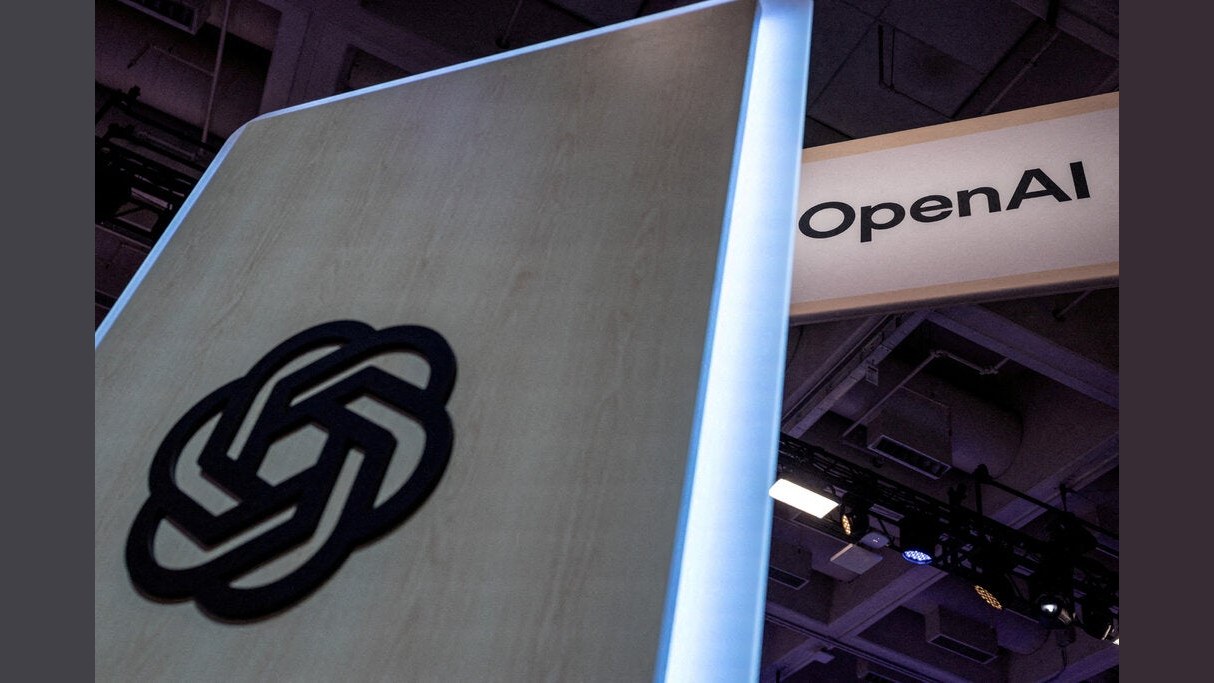
| Fears that OpenAI’s revenue is growing more slowly than expected affected several technology stocks. Carlos Barria/Reuters |
|---|

Questions about A.I. revenue and safety
The biggest artificial intelligence companies have justified their rapidly increasing valuations with revenue projections that keep climbing quickly.
But the revelation yesterday that a crucial OpenAI revenue metric had merely doubled in the last quarter battered shares of companies exposed to the sector.
It’s a fresh challenge facing the artificial intelligence industry, adding to concerns like safety, Sri Muppidi reports.
The latest: OpenAI’s annualized revenue, a measure favored by start-ups to demonstrate revenue momentum, was about $50 billion at the end of last month, up from roughly $28 billion at the end of June, an OpenAI spokesperson told DealBook.
That’s significantly lower than the $70 billion figure given to investors last month. That was not accurate, according to the OpenAI spokesperson. (The Financial Times first reported details of the discrepancy.)
The revision tanked A.I. stocks. Shares in Nvidia, Oracle and Microsoft sank on yesterday’s news.
This highlights the interconnectedness — and the potential fragility — of the A.I. boom, much of whose fortune rides on the continued success of OpenAI and Anthropic.
It also underscores the risks posed by basing investment decisions on pro forma revenue measures. Investors are increasingly turning to data from companies like the market intelligence firm Sensor Tower and the billing platform Ramp to help calculate their own financial models.
But those efforts could also lead to large discrepancies between public perception and actual reality.
And then there are the safety questions. Jacob Coxon, a former Anthropic researcher who has since accused leading labs of not taking safety seriously enough, has ignited a new debate about the industry.
He’s “90 percent” certain that China has spies inside Anthropic and OpenAI, he said recently on the PBD Podcast.
His claim comes amid the intense A.I. rivalry between the U.S. and China. Remember that President Trump has dismissed calls to more tightly regulate American A.I. companies, urging them to innovate faster to stay ahead of Chinese rivals.
Anthropic and OpenAI are likely to push back on Coxon’s claims.
- Anthropic closely scrutinizes its personnel, restricts access to important technologies and monitors suspicious activity by employees, according to a person with knowledge of the company who wasn’t authorized to speak publicly. Anthropic doesn’t think there’s evidence to support Coxon’s claim, the person added.
- OpenAI revamped its security processes last summer, after claims emerged that Chinese rivals like DeepSeek were copying its models. That included stronger restrictions on employee access to new models and products and fingerprint access to sensitive office areas. The company also vets workers across their entire tenure, from when they apply for a job to when they leave, according to a person with knowledge of the protocols who wasn’t authorized to speak publicly.
In other A.I. news:
- Three former OpenAI safety employees said they had been fired for “prioritizing safety over the near-term interests of OpenAI as a corporation.”
- SoftBank is reportedly seeking up to $100 billion from Middle Eastern investors to finance more bets on A.I., according to The FT, citing unnamed sources.
- How fear of a fast-growing start-up, Instinct, that made an A.I. agent prodded Meta to quickly roll out Muse, a competing product.
| HERE’S WHAT’S HAPPENING |
|---|
High interest rates slow U.S. home purchases. The trickle-down effects of borrowing costs — the average 30-year fixed-rate mortgage rose to 7.4 percent, the highest since November 2023 — are beginning to show. Sales of existing homes slipped 1.2 percent in August from the year before, a drop that economists at Zillow expect to increase to 3.5 percent in the fourth quarter. Some buyers are using high rates as leverage to demand price cuts.
Oil prices rise on more attacks in the Middle East. Brent crude, the international benchmark for oil, traded around $103 today after tankers were struck near Qatar and the United Arab Emirates. And Iranian-backed Houthi rebels in Yemen claimed credit for deadly attacks on Riyadh’s airport that caused the cancellation of scores of flights.
Goldman Sachs prepares a huge payday for its top executives. About 20 leaders at the Wall Street giant are expected to receive equity awards worth more than $500 million combined from a so-called Shareholder Value Creation Award, Bloomberg reported, citing unnamed sources. (David Solomon, Goldman’s C.E.O., is expected to collect about $100 million.) The bonuses come after the bank set a Wall Street record for stock-trading income.
Joe Rogan signs a big new deal with Spotify. The podcast host renewed his contract with the streaming service for about $250 million, The Wall Street Journal reports, citing unnamed sources. Rogan’s show remains the most popular podcast in the U.S.; he initially joined Spotify in 2020 with a $100 million contract.
| The prospect of pumpkin spice burritos doesn’t appear appealing to shareholders of Starbucks. M. Scott Brauer for The New York Times |
|---|

M.&A. speculation gives Starbucks investors heartburn
Shares in the quick-service restaurant chain Chipotle surged yesterday on a report that it had drawn takeover interest from an unlikely source: Starbucks.
Combining the two would be the biggest acquisition ever in the restaurant business. (Chipotle’s market value is about $41 billion.) But the prospect of such a move drew sharp scrutiny on Wall Street.
The news: Starbucks has explored buying Chipotle, including by working with advisers on a bid in recent months, according to The Financial Times, which cited unnamed sources.
Semafor previously reported that Chipotle had hired bankers to fend off a potential takeover bid or activist investor campaign and that Wall Street had been speculating that Starbucks would make a run at the burrito chain.
The FT report drove shares in Chipotle up 6 percent yesterday; they had been down about 20 percent for the year. Shares in Starbucks initially fell as much as 6.7 percent before recovering.
Worth noting: Brian Niccol, Starbucks’s C.E.O. of six months, came over from Chipotle — and still lives in the Mexican food chain’s home base, Newport Beach, Calif.
How receptive are investors and corporate boards to big-ticket M.&A.? In the first half of the year, they were still interested: The value of announced deals during the period hit $2.77 trillion, up 48 percent year on year. Nearly half of that came from transactions valued at $10 billion or more.
Dealmakers say that companies are still searching for ways to grow, and sometimes M.&A. is the only way to do that. But rising borrowing costs are starting to weigh on merger activity, based on activity in the third quarter.
What would a deal accomplish? While Semafor speculated that a union could allow the companies to combine their real estate and back-office operations, analysts were skeptical. Sharon Zackfia, an analyst at the investment bank William Blair, said the potential deal had “no obvious revenue synergies.”
A run at Chipotle might exacerbate investor worries that Starbucks has limited growth potential, she added, and that the coffee chain’s turnaround effort under Niccol might be losing steam.
The prospects of a deal offer are uncertain. Starbucks said in a statement, “Our team is laser-focused on executing our Back to Starbucks strategy.”
QUOTE OF THE DAY
“This will sound super crazy, but I see a path to SpaceX being worth orders of magnitude more than the current Earth economy.”
Elon Musk, SpaceX’s C.E.O., predicting a huge increase in the valuation of his rockets-and-artificial-intelligence company, shortly after it struck an $8 billion deal to buy wireless spectrum.
Shares of the three big U.S. telecom companies — T-Mobile US, Verizon and AT&T — each tumbled sharply in postmarket trading on the news.

Talking A.I. with the C.E.O. of McKinsey
In this recurring feature, we ask a leader how he or she uses artificial intelligence. This week, Bob Sternfels, who leads the consulting firm McKinsey, told Sarah Kessler why the company was hiring more junior associates who worked in retail as teenagers. The interview has been condensed and edited.
How do you personally use A.I.?
I set out about six months ago to carve out a dedicated hour a week to learn on A.I. I’ve had all sorts of teachers, from our deepest technologists to, recently, I went to one of our offices and met with three brand-new business analysts.
One agent I built is called Contra. Any talk I’m giving, I give it to Contra and say: What am I missing? What’s the other argument to this?
How has A.I. changed your business?
We’re arming all of our consultants with a host of tools. It’s making them a lot faster.
One of the bigger issues I face is how to get the more senior folks, the partners and senior partners, to understand that their teams now have tools that we never had.
Has A.I. changed what skills you hire for?
We want folks who are better at novel creativity. We’ve started to widen the degree profiles we’re looking at in art, music, history. We have a novel problem-solving test, and some of those degrees do better.
We’re also looking for an ability to learn new things as opposed to just having mastered the subject that you studied. So we’ve created some simulations where it’s impossible for you to have any pattern recognition. And we look at how well you pick up clues along the way and learn. What we’re finding is there’s no correlation to degree type.
What kind of experience matters?
There’s more of a premium on working with other people. Were you successful in a team sport somewhere along the way? That’s one marker.
The other marker that I loved is, if you worked in retail as a teenager, it turns out that you don’t have positional authority. You have to deal with people. It actually is a good skill to have later in life.
| THE SPEED READ |
|---|
Deals
- Firmus, an Australian data center operator backed by Nvidia, withdrew plans to go public, citing market volatility; it reportedly may raise $3 billion from private investors instead. (FT, Bloomberg)
- Apple is said to be replacing its head of M.&A., Adrian Perica, with Steve Smith, a longtime lieutenant to its new C.E.O., John Ternus. (Bloomberg)
Politics, policy and regulation
- Microsoft was suspended from using the H-1B visa program for foreign skilled workers after what Vice President JD Vance described as abuse of the system. (NYT)
- Why investors are worried about France’s potential debt crisis. (NYT)
- American Express was fined $350 million by the Office of the Comptroller of the Currency for what the regulator said were “critical deficiencies” in its anti-money-laundering program. (FT)
Best of the rest
- John Urschel once played for the Baltimore Ravens. Now he’s a tenure-track professor at M.I.T. who may have made a big mathematics breakthrough. (WaPo)
- “Rogue Pilots Are a Growing Safety Threat — and No One Knows How to Stop Them” (WSJ)
Thanks for reading! We’ll see you tomorrow.
We’d like your feedback. Please email thoughts and suggestions to dealbook@nytimes.com.
Follow DealBook on Instagram: @nytdealbook
| Andrew Ross Sorkin, Founder/Editor-at-Large, New York @andrewrsorkin |
|---|
| Brian O'Keefe, Managing Editor, New York @brianbokeefe |
| Bernhard Warner, Senior Editor, Rome @BernhardWarner |
| Sarah Kessler, Deputy Editor, Chicago @sarahfkessler |
| Michael J. de la Merced, Reporter, London @m_delamerced |
| Niko Gallogly, Reporter, New York @nikogallogly |
| Lauren Hirsch, Reporter, New York @LaurenSHirsch |